How Ashland’s Seasonal Allergens Clog and Contaminate Your Ductwork
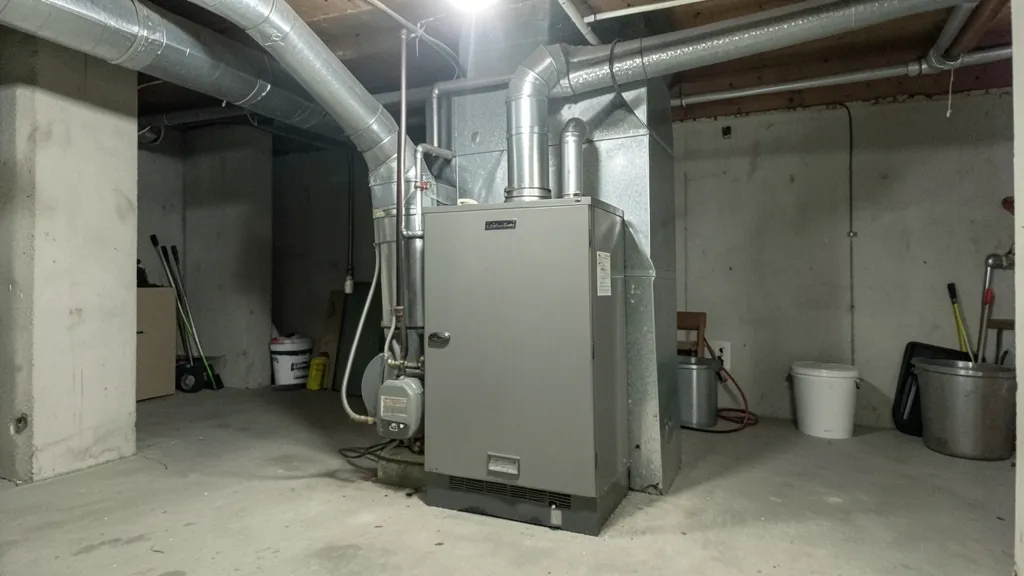
Ashland’s distinct seasons bring beauty—and a heavy load of allergens that get pulled into your HVAC system. Over time, pollen, smoke, and mold spores build up in ductwork, recirculating irritants every time the furnace or AC kicks on. Professional cleaning removes these contaminants at the source.
Why Ashland’s Allergy Season Hits Your Ducts Harder
Southern Oregon’s spring pollen counts are among the highest in the state, and fine particles from summer wildfires near Medford and Talent easily infiltrate homes. Your HVAC system pulls these irritants in through return vents, trapping them in ductwork.
Unlike larger debris, microscopic allergens embed in duct linings and coil fins. Every cycle redistributes them, aggravating allergies and asthma long after the outdoor air clears.
The Hidden Buildup: What We Find in Local Ducts
During inspections in Ashland, Phoenix, and Central Point, we routinely see thick layers of pollen mats, soot from wildfire smoke, and even mold colonies in damp sections of ductwork. These contaminants thrive in the Pacific Northwest’s humid springs and dry summers.
Dust mites feed on accumulated organic matter, while moisture from AC condensate can promote mold growth on evaporator coils and in poorly sealed ducts.
| Contaminant | Source | Health Impact |
|---|---|---|
| Tree & Grass Pollen | Spring blooms, wind | Sneezing, itchy eyes, respiratory irritation |
| Wildfire Smoke Particulates | Summer fires (Medford, Talent) | Agravated asthma, lung inflammation |
| Dust Mites | Organic debris in ducts | Allergic rhinitis, eczema flare-ups |
| Mold Spores | Moisture in ducts/coils | Chronic sinusitis, immune reactions |
Signs Your Ducts Are Spreading Allergens
If allergies flare up indoors but ease outside, your ducts may be the culprit. Musty odors when the HVAC starts, visible dust puffs from vents, or uneven airflow are red flags.
Check your air filters: if they clog within a month, it’s a sign your system is overloaded with particulates—and your ducts likely are, too.
Dark streaks around vents often indicate mold. Shut off the HVAC and call a pro—disturbing it can release spores into living spaces.
How Professional Duct Cleaning Removes Allergens
We use high-powered vacuums and agitated brushes to dislodge contaminants from every inch of ductwork, including flex ducts and metal trunk lines. Negative air pressure ensures debris is captured, not scattered.
For stubborn mold or bacteria, we apply EPA-approved sanitizers. In homes with severe allergies, UV light systems can be installed to neutralize airborne pathogens between cleanings.
Beyond Ducts: Related Services That Improve Air Quality
Clean ducts are just one piece. Dryer vent cleaning prevents lint and allergen recirculation, while HVAC coil cleaning restores airflow efficiency compromised by buildup.
Indoor air quality testing identifies specific pollutants, and UV sanitization treatments provide ongoing protection. For businesses in Jacksonville or Central Point, commercial duct cleaning addresses larger systems with the same rigor.
Allergy-Reducing HVAC Upgrades
- Upgrade to MERV 13+ air filters
- Seal duct leaks to prevent contaminant entry
- Install a whole-house HEPA filtration system
- Schedule annual duct inspections
Ashland’s Climate: Why More Frequent Cleaning May Be Needed
The Rogue Valley’s combination of high pollen, wildfire smoke, and seasonal humidity creates a perfect storm for duct contamination. Homes near wooded areas or farms see faster buildup.
We recommend duct cleaning every 3–5 years for average homes, but allergy sufferers or those in high-exposure areas (like Talent or Phoenix) may benefit from a 2–3 year schedule.
After heavy smoke events, replace filters immediately and consider a duct inspection. Fine particulates can linger and degrade indoor air for months.
What to Expect During a Duct Cleaning Service
Our team starts with a visual inspection using cameras to assess contamination levels. We then seal off the system, using specialized tools to clean supply and return ducts, vents, and the blower motor.
The process typically takes 2–4 hours for a standard home, depending on system size and accessibility. We’ll also check for leaks or damaged ductwork that could let contaminants back in.
How to Reduce Allergens Between Professional Cleanings
Maintain cleaner ducts and better air quality with these proactive steps.
- 1Upgrade Your Air Filter
Switch to a MERV 11–13 filter and replace it every 1–3 months, especially during high-pollen seasons. Avoid cheap fiberglass filters—they don’t capture fine particulates.
- 2Seal Duct Leaks
Use mastic sealant or metal tape to close gaps in duct joints. Leaks pull in unfiltered air from attics or crawl spaces, worsening allergen loads.
- 3Control Humidity
Run a dehumidifier in damp months to keep indoor humidity below 50%. This discourages mold and dust mite growth in ducts and coils.
- 4Vacuum Vents Regularly
Use a vacuum with a HEPA filter to clean vent covers and the first few inches of ductwork. This prevents surface dust from being pulled deeper into the system.
- 5Schedule HVAC Maintenance
Annual tune-ups include coil cleaning and condensate pan checks, which reduce moisture and microbial growth in your system.
Frequently Asked Questions
Can duct cleaning really help my allergies?
Yes—removing built-up allergens from your ducts reduces the volume of irritants circulating in your home. Many Ashland residents report noticeable relief within days, especially when combined with high-quality air filtration.
How often should I clean my ducts if I have allergies?
For allergy sufferers, we recommend professional duct cleaning every 2–3 years. Homes in areas with heavy pollen or wildfire smoke, like Talent or Medford, may need more frequent service.
Does duct cleaning damage my HVAC system?
No—when performed by trained professionals using the right equipment, duct cleaning is safe for your system. In fact, it can improve efficiency by restoring proper airflow.
What’s the difference between duct cleaning and coil cleaning?
Duct cleaning focuses on the ductwork itself, while coil cleaning targets the evaporator and condenser coils in your HVAC unit. Both collect allergens and debris, so we often recommend doing both for optimal air quality.
Will duct cleaning remove mold?
Yes, but only if performed correctly. We use HEPA vacuums and, when necessary, EPA-approved sanitizers to eliminate mold spores. For severe infestations, additional remediation may be required.
Do you serve areas outside Ashland?
Absolutely. We provide air duct cleaning, dryer vent cleaning, and related services throughout the Rogue Valley, including Medford, Central Point, Phoenix, Talent, and Jacksonville.