How Dirty Air Ducts May Be Making Your Ashland Home Sick
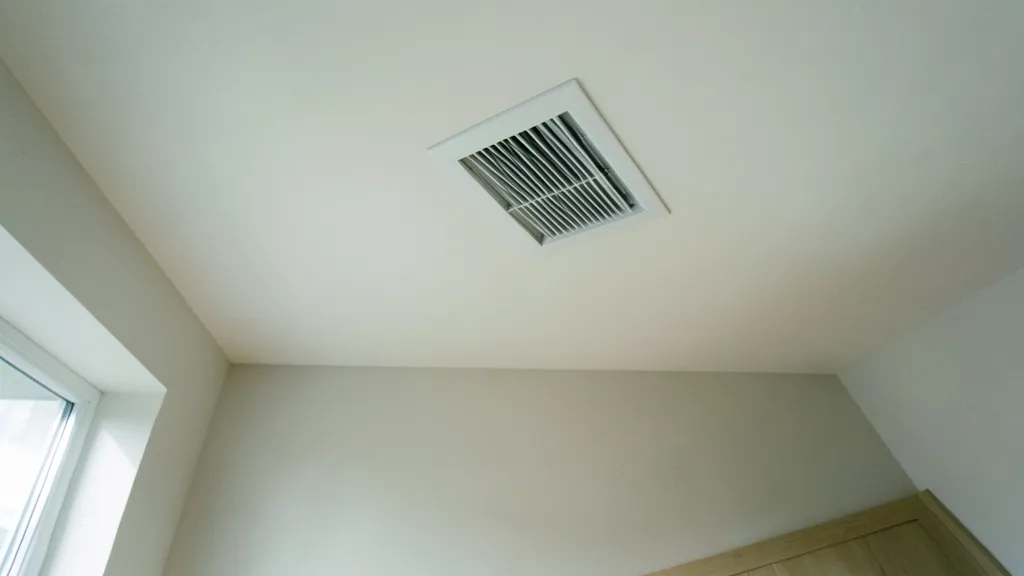
If your household seems to catch colds, allergies, or respiratory infections more often than usual, the culprit might be hiding in plain sight. Contaminated ductwork circulates pollutants throughout your home every time the HVAC runs, and in the Rogue Valley’s seasonal swings, that can turn a minor issue into a chronic problem.
The Hidden Pollutant Pipeline in Your Home
Your duct system is the respiratory tract of your home. When dust, mold, or debris accumulate, every cycle of heated or cooled air pushes those particles into living spaces.
In Ashland’s dry summers and damp winters, ducts can trap seasonal allergens like pollen in spring or mold spores in fall, then redistribute them year-round.
Common Contaminants Lurking in Ductwork
Dust mites, pet dander, and dead skin cells build up fast in ducts, especially in homes with pets or high foot traffic. These are prime triggers for allergies and asthma.
Mold and mildew thrive in damp conditions—common after our wet winters or in basements. Once established, they release spores that aggravate lungs and immune systems.
Volatile organic compounds (VOCs) from household cleaners, paint, or new furniture can also adhere to duct surfaces, off-gassing long after application.
| Contaminant | Source | Health Effect |
|---|---|---|
| Dust mites | Skin flakes, fabric fibers | Allergies, asthma attacks |
| Mold spores | Moisture in ducts or HVAC | Respiratory infections, headaches |
| Pet dander | Pet hair and skin | Allergic reactions, sinusitis |
| Pollen | Outdoor air intake | Seasonal allergies, eye irritation |
| VOCs | Cleaning products, off-gassing | Nausea, long-term organ effects |
Signs Your Ducts Might Be Affecting Your Health
Unexplained congestion, sneezing, or itchy eyes that improve when you’re away from home are classic red flags. So are frequent headaches or fatigue tied to indoor time.
Visible mold near vents, a musty odor when the HVAC kicks on, or excessive dust on furniture shortly after cleaning all point to duct contamination.
If your energy bills climb without a clear reason, restricted airflow from clogged ducts may be forcing your system to work harder—another sign it’s time for an inspection.
A musty or stale odor from vents often means mold or bacteria are growing in your ductwork. This requires professional cleaning, not just air fresheners.
Why Ashland’s Climate Makes Duct Cleaning Critical
Our valley’s hot, dry summers pull in fine dust and pollen, while cool, wet winters create ideal conditions for mold. Without regular cleaning, these contaminants cycle endlessly.
Homes in Talent or Phoenix, with similar seasonal patterns, face the same risks. Even newer builds in Medford or Central Point aren’t immune if filters aren’t maintained.
High humidity in early fall can accelerate mold growth in ducts, especially if your system lacks proper dehumidification.
How Professional Duct Cleaning Improves Indoor Air
We use high-powered vacuums and agitation tools to dislodge and remove debris from every branch of your ductwork, including supply and return lines.
For stubborn mold or bacteria, we often recommend UV light sanitization or specialized mold and mildew treatments to neutralize spores at the source.
Cleaning the HVAC coils and replacing air filters ensures the entire system works efficiently, reducing the chance of recontamination.
What a Thorough Duct Cleaning Includes
- Inspection of all ductwork and components
- Removal of dust, debris, and biological contaminants
- Cleaning of supply and return vents
- Sanitization options (UV light, anti-microbial treatments)
- Post-cleaning air quality assessment
Duct Cleaning vs. DIY Fixes: What Actually Works
Store-bought duct cleaning kits or vacuum attachments rarely reach deep into the system. They might clear surface dust but miss the bulk of contaminants hidden in flex ducts or trunk lines.
Changing your air filter regularly helps, but it doesn’t address existing buildup. For true improvement, professional tools and techniques are essential.
In commercial spaces or larger homes in Jacksonville or Central Point, the complexity of the system makes DIY even less effective.
When to Schedule a Duct Inspection
The National Air Duct Cleaners Association (NADCA) recommends cleaning every 3–5 years for average homes, but more often if you have pets, allergies, or recent renovations.
After a home remodel, construction dust can clog ducts quickly. Similarly, if you’ve had water damage or notice mold, don’t wait—schedule an inspection immediately.
Before winter or summer peaks, a cleaning ensures your system runs efficiently when you need it most, especially in our climate’s extremes.
For maximum air quality, combine duct cleaning with dryer vent cleaning and HVAC coil cleaning. This holistic approach prevents cross-contamination.
Long-Term Solutions for Healthier Indoor Air
Upgrading to high-efficiency air filters (MERV 11–13) captures smaller particles, but remember: a clogged filter restricts airflow, so check them monthly.
Consider adding an air purifier with HEPA filtration for extra protection, especially in homes with vulnerable individuals.
Regular indoor air quality testing can help track pollutant levels and catch issues before they affect your health.
How to Check for Duct Contamination at Home
A quick self-inspection can reveal whether your ducts need professional attention.
- 1Remove and Inspect Vent Covers
Take off a few vent covers and shine a flashlight inside. If you see thick dust, mold, or debris, it’s a sign of widespread buildup.
- 2Look for Visible Mold
Check around vents, duct seams, and the HVAC unit for black or greenish spots, which indicate mold growth.
- 3Test Airflow
Hold a tissue near a supply vent when the HVAC is on. Weak airflow may mean ducts are clogged.
- 4Sniff for Odors
Turn on the system and stand near vents. Musty, stale, or dirty smells suggest contamination.
- 5Monitor Health Symptoms
Track if allergies or respiratory issues improve when you’re away from home. If they do, your ducts could be the cause.
Frequently Asked Questions
Can dirty ducts really make my family sick?
Yes. Contaminated ducts circulate allergens, mold spores, and bacteria that can trigger allergies, asthma, and respiratory infections. If symptoms ease when you’re away, ducts are a likely culprit.
How often should Ashland homeowners clean their ducts?
Every 3–5 years is standard, but homes with pets, smokers, or allergy sufferers may need it more often. After water damage or renovations, inspect immediately.
Is duct cleaning messy or disruptive?
Not with professionals. We use contained systems and drop cloths to protect your home. Most cleanings take 2–4 hours, depending on your system’s size.
Will cleaning my ducts lower my energy bills?
Yes, if debris was restricting airflow. Clean ducts improve HVAC efficiency, reducing strain on the system and potentially lowering costs.
Do you serve areas outside Ashland, like Medford or Talent?
Absolutely. We provide air duct cleaning, dryer vent cleaning, and related services across the Rogue Valley, including Medford, Talent, Phoenix, Central Point, and Jacksonville.
What’s the difference between duct cleaning and coil cleaning?
Duct cleaning focuses on the airflow pathways, while coil cleaning targets the HVAC’s evaporator and condenser coils. Both are critical for air quality and system performance.