How Negative Air Machines Prevent Contaminant Spread During Air Duct Cleaning in Ashland
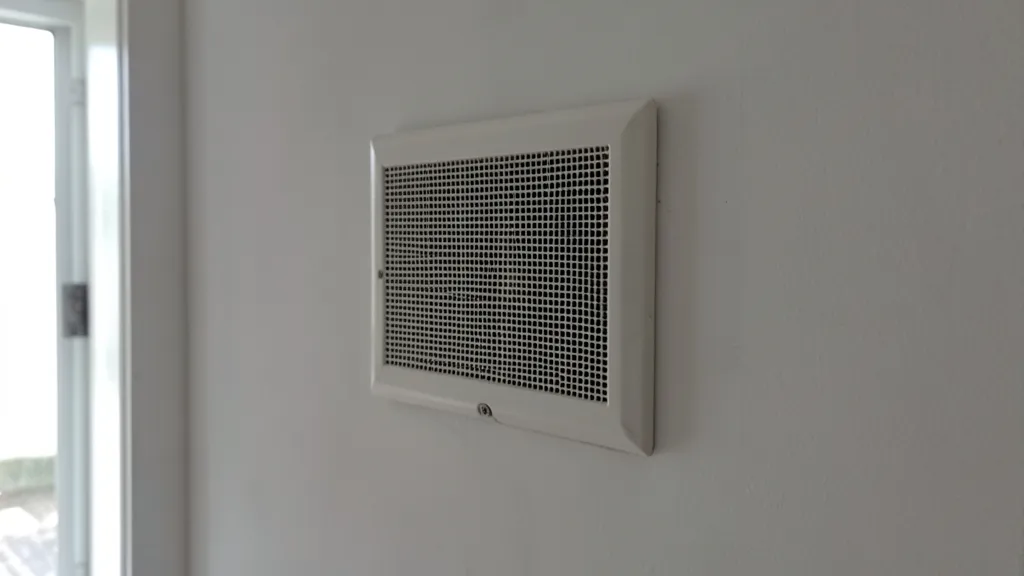
Negative air machines are the unsung heroes of professional duct cleaning. They create controlled airflow to trap contaminants before they recirculate through your home. In Ashland’s dry summers and damp winters, this technology is critical for maintaining clean, healthy ductwork.
What Is a Negative Air Machine?
A negative air machine, or air scrubber, is a high-powered filtration system that removes airborne particles during duct cleaning. It uses HEPA filters to capture dust, mold spores, and other debris as small as 0.3 microns.
Unlike standard vacuums, these machines create negative pressure, ensuring contaminants are pulled *into* the system—not pushed back into your living spaces.
Why Ashland Homes Need Negative Air During Duct Cleaning
Southern Oregon’s seasonal shifts—from pollen-heavy springs to woodsmoke in fall—mean ducts accumulate fine particulates fast. Without containment, cleaning can stir up these contaminants, worsening indoor air quality.
Negative air machines prevent this by isolating the work area. They’re especially vital in older homes in Talent or Medford, where ductwork may harbor decades of built-up debris.
Always pair negative air machines with sealed duct access points. This combo ensures maximum containment during cleaning.
How Negative Air Machines Work in Duct Cleaning
The machine pulls air from the ductwork through a series of filters. The first stage captures large particles like pet hair or drywall dust. HEPA filters then trap microscopic contaminants, including mold spores and bacteria.
Clean air is exhausted outside or passed through additional carbon filters to remove odors—a must for homes near Jacksonville’s wildfire-prone areas.
Negative Air vs. Standard Vacuums: Key Differences
Standard vacuums lack the suction power and filtration to handle fine particulates released during duct cleaning. Negative air machines, however, are designed for industrial-grade containment.
| Feature | Negative Air Machine | Standard Vacuum |
|---|---|---|
| Suction Power | High (500-1500 CFM) | Low to Moderate (100-300 CFM) |
| Filtration | HEPA + Pre-Filters | Basic or HEPA (if upgraded) |
| Containment | Creates Negative Pressure | No Pressure Control |
| Particle Size Captured | 0.3 Microns and Larger | Often Limited to 1-5 Microns |
| Exhaust | Directed Outside or Scrubbed | Recirculated Indoors |
When Negative Air Machines Are Non-Negotiable
Certain scenarios demand negative air containment. If your Ashland home has visible mold in ducts, or if occupants have allergies or respiratory issues, skipping this step risks cross-contamination.
Commercial duct cleaning in Medford or Central Point offices also relies on these machines to meet OSHA and indoor air quality standards.
Signs You Need Negative Air Containment
- Visible mold or mildew in ductwork
- Recent water damage or flooding in the HVAC system
- Household members with asthma, allergies, or immune disorders
- Older homes with asbestos or lead dust concerns
- Post-renovation cleaning to remove drywall or sawdust
The Role of Negative Air in Mold and Mildew Treatment
During mold remediation in ducts, negative air machines prevent spores from spreading to clean areas. Our team often combines this with UV light sanitization for a thorough treatment.
Ashland’s humid winters can encourage mold growth in ducts. Negative air ensures spores are captured—not just redistributed—during cleaning.
Never attempt DIY duct cleaning with mold present. Disturbing spores without proper containment can worsen infestations and health risks.
Maintaining Your System After Cleaning
Negative air machines remove contaminants, but regular maintenance keeps them from returning. Replace HVAC filters every 1-3 months, especially in high-pollen seasons.
Consider adding a whole-home air purifier or UV light system for ongoing protection. These pair well with annual duct cleaning in Ashland’s climate.
What to Expect During a Professional Duct Cleaning with Negative Air
Our process starts with a visual inspection of your ductwork. We then seal vents and returns, set up the negative air machine, and use specialized tools to dislodge debris.
The machine runs continuously, capturing particles as they’re loosened. Finally, we sanitize ducts if needed and verify airflow with post-cleaning testing.
How to Prepare Your Home for Duct Cleaning with Negative Air
A little prep ensures the process is efficient and effective.
- 1Clear the Work Area
Move furniture, rugs, and decor away from vents and the HVAC system. This gives our team unobstructed access and prevents damage.
- 2Secure Pets and Children
Keep pets and kids in a separate area. The noise and activity can be stressful, and we want to avoid accidental interference.
- 3Turn Off HVAC
Switch off your heating or cooling system at least 30 minutes before we arrive. This prevents the spread of dislodged contaminants.
- 4Communicate Concerns
Tell us about any specific issues, like mold smells or allergies. This helps us tailor the cleaning and containment approach.
- 5Plan for Downtime
The negative air machine will run for the duration of cleaning. Expect limited HVAC use during the process, typically 2-4 hours for an average home.
Frequently Asked Questions
Do negative air machines remove all contaminants from my Ashland home’s ducts?
They capture the vast majority of airborne particles during cleaning, but no system is 100% perfect. Pairing negative air with thorough mechanical cleaning and sanitization yields excellent results.
Is negative air cleaning necessary for every duct cleaning job?
Not always, but it’s highly recommended for homes with mold, allergies, or heavy dust buildup. For routine maintenance in newer homes, it may be optional—but it’s always the safer choice.
How do I know if my ducts need cleaning?
Signs include visible dust around vents, musty odors, reduced airflow, or increased allergy symptoms. In Ashland, homes with pets or wood stoves often need more frequent cleaning.
Can negative air machines help with wildfire smoke residue in ducts?
Absolutely. Ashland’s proximity to wildfire-prone areas means smoke particles can settle in ducts. Negative air machines, combined with HEPA filtration, effectively remove these fine particulates.
What’s the difference between negative air machines and air purifiers?
Negative air machines are temporary, high-powered systems used *during* cleaning to contain contaminants. Air purifiers are permanent installations that continuously filter indoor air.
Do you offer negative air cleaning for commercial properties in Medford or Central Point?
Yes, we provide commercial duct cleaning with negative air containment for offices, schools, and healthcare facilities. These spaces often require stricter containment due to higher occupancy and air quality standards.